
Motorized Shade Installation in Birmingham, Alabama
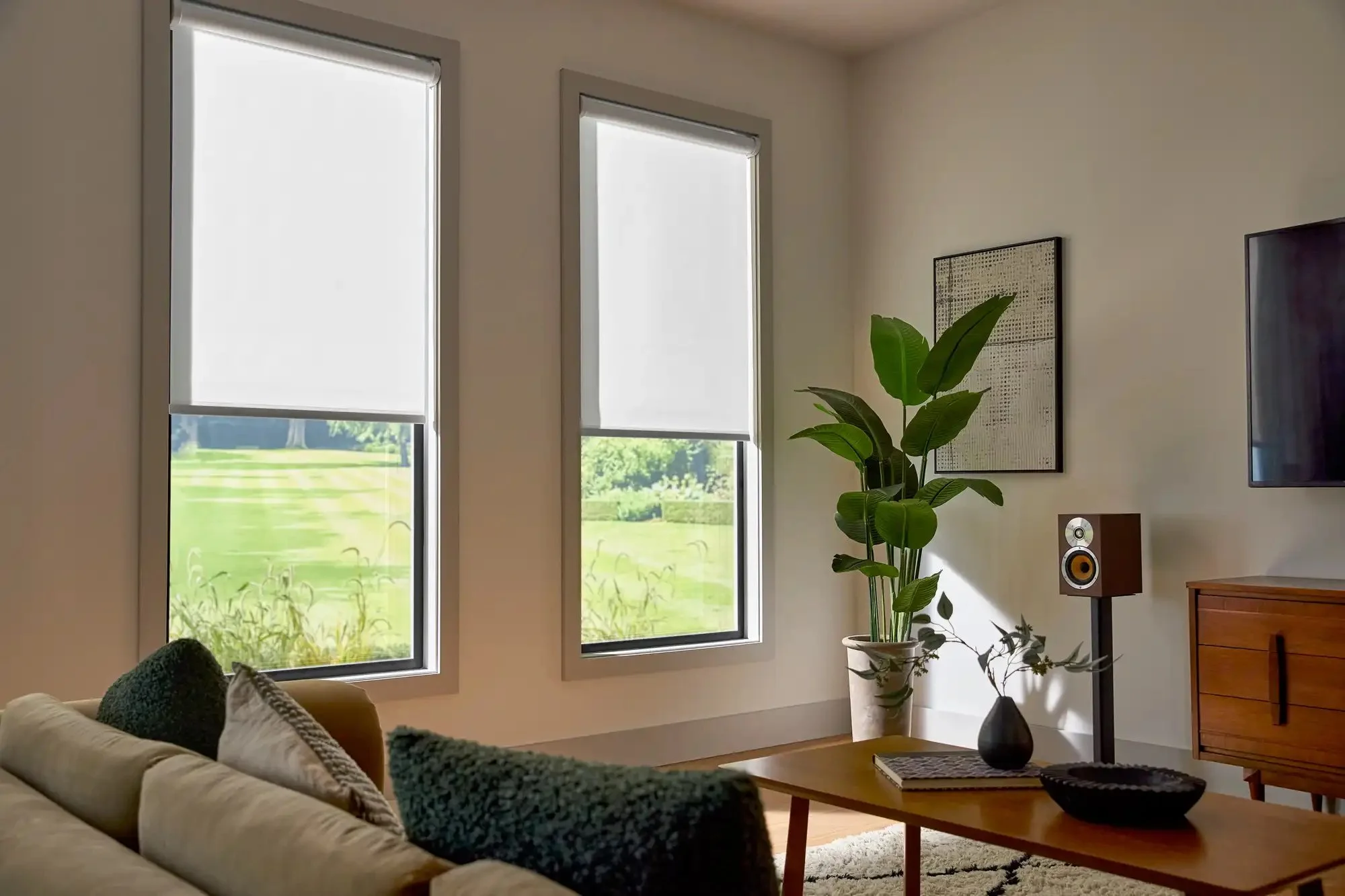
Birmingham gets brutal afternoon sun. Anyone with a west-facing room knows what we're talking about — by 4 p.m. in July, the great room is 86 degrees while the rest of the house sits at 72, the hardwood floors near the windows are slowly fading, the leather furniture is cracking, and the HVAC system is running flat-out trying to make up for solar gain it can't keep up with. The household either keeps the curtains closed all summer (which means living in the dark from May through September) or accepts that the room is unusable for those four hours every day. Neither is a real solution.
Motorized shades are the real solution. Shades that drop automatically at 3 p.m. when the sun crosses to the west side of the house and rise again at sunset. Shades that adjust based on actual sun position throughout the year, not a fixed clock schedule. Shades that close before a thunderstorm rolls in to protect the floors, then open afterward. Shades you can drop with one button when you sit down to watch a movie, drop in a single bedroom for a baby's nap without disturbing the rest of the house, or drop everywhere for a single Goodnight scene before bed. The Birmingham summer becomes manageable instead of painful, the floors and furniture last longer, and the house just works the way it should.
Iron City A/V is a home automation company, audio visual consultant, and your local Birmingham blinds shop. We design and install motorized shade systems across Mountain Brook, Vestavia Hills, Crestline, Forest Park, Homewood, Hoover, Greystone, Liberty Park, and the Birmingham metro. This page covers what motorized shade installation actually involves, the brands we install, the battery-versus-hardwired decision, and how shades integrate with the rest of a smart home.
Why Birmingham Specifically Needs Motorized Shades
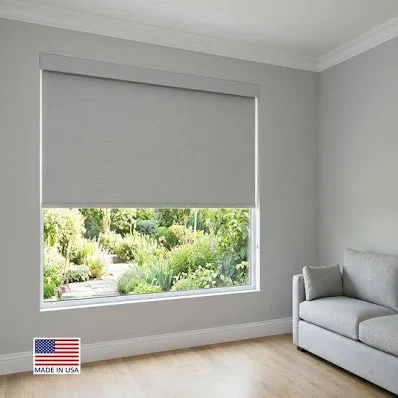
Most national motorized shade marketing focuses on convenience — push a button, the shades go up. That's the smallest reason to install motorized shades in Birmingham. The bigger reasons are climate-specific.
West-facing afternoon sun. Birmingham sits at roughly 33.5° North latitude, which means the summer sun sets relatively far north and shines directly into west-facing rooms from approximately 2 p.m. until sunset. Surface temperatures on west-facing windows during July and August routinely hit 130-150°F. The rooms behind those windows can climb 15-20 degrees above the rest of the house during those hours, and HVAC systems can't keep up — the AC runs constantly trying to compensate, energy bills spike, and the rooms still feel hot.
Motorized shades on a schedule cut this problem dramatically. Shades that drop to 50% at 2 p.m. and to 100% at 4 p.m. block the direct solar gain before it heats the room. The household keeps the view in the morning when sun isn't a problem, gets afternoon comfort without darkening the entire house, and the AC runs significantly less.
UV damage to hardwood floors and furniture. Direct sun fades hardwood floors, leather furniture, fabric upholstery, artwork, and rugs. Birmingham homes with significant west-facing exposure can see noticeable floor fading within 2-3 years of move-in. Refinishing a hardwood floor costs $5,000-15,000 depending on size; reupholstering furniture is similar. Motorized shades on a schedule prevent the damage before it happens. UV-blocking shade fabrics (Hunter Douglas Designer Roller in 5% openness, Lutron Sivoia QS with UV-blocking fabric, similar offerings from other brands) cut UV exposure by 95-99% even in the closed position.
Hurricane-related and afternoon thunderstorm sun spikes. Birmingham summers feature intense afternoon thunderstorms that often clear within 30-60 minutes, leaving full sun behind. Without motorized shades, the household has to manually adjust manual blinds or curtains throughout the afternoon as the weather changes. Motorized shades on a sun sensor or smart home automation handle this automatically.
HVAC efficiency. A 4,000-square-foot Birmingham home with significant west-facing exposure can see HVAC bills 15-25% lower with motorized shades on a proper schedule. Solar heat gain is one of the larger summer cooling loads in any south-facing home in Alabama; shading the windows before the heat enters is dramatically more effective than cooling the air after the heat has already made it inside.
These are the reasons most Birmingham customers eventually install motorized shades. Convenience matters too — but the climate argument is what makes them genuinely worth the investment in this city specifically.
What Professional Motorized Shade Installation Includes
Most homeowners come to motorized shades the same way as smart lighting. They watch a YouTube video, buy a budget set off Amazon, install them themselves, and discover that the shades work for a year before something goes wrong — the motor stops responding, the fabric doesn't track straight, the brackets weren't anchored properly into framing, or the wireless protocol drops out and stops responding to the app. Or they hire a handyman who installs the shades like manual blinds — measured roughly, hung quickly, with no thought given to scenes, integration, or the rest of the smart home.
Professional motorized shade installation handles what amateur installs miss.
Window measurement and shade selection. Every window has its own dimensions and its own challenges. Inside-mount shades sit inside the window frame for a clean architectural look but require precise measurements — even a 1/8" miscalculation means the shade either won't fit or has visible light gaps. Outside-mount shades extend beyond the window frame for fuller coverage but need consistent positioning across multiple windows in the same room. We measure every window, photograph the framing, and pick the right mount type and shade size for each opening.
Fabric selection in your actual light. Shade fabric looks dramatically different in showroom lighting than in your home's actual light. We bring fabric samples to the home and place them against the actual walls, in the actual light, at the actual times of day the household uses each room. The shade fabric that looks beige in a showroom can look gray or yellow in a real Mountain Brook living room. The opacity that seems perfect for the bedroom can be too much or too little once it's hanging in the actual window. The fabric decision benefits from in-home decision-making more than almost any other smart home product.
Motor selection and protocol decision. Battery motors are quieter, easier to install, and don't require any wiring — but they require battery changes every 2-5 years depending on use. Hardwired motors run on dedicated low-voltage wire pulled to each window, never need batteries, and are silent during operation. The motor protocol matters too — Lutron uses its own proprietary radio protocol (works with Lutron's hubs and integrates seamlessly with Lutron lighting), Somfy uses its own RTS or RS-485 protocol (the most universal motor system), and Hunter Douglas PowerView uses its own protocol. We pick the motor and protocol based on what fits the project's broader smart home plan.
Bracket and mounting hardware. Motorized shades are heavier than manual shades and need proper structural support. Lag bolts into wall studs or window framing, not just drywall anchors. Brackets sized to the shade weight and the motor torque. Hardware finished to match the home's interior trim. We use proper structural support on every install — shades that come crashing down a year after installation are usually a hardware issue, not a motor issue.
Programming, scenes, and integration. A motorized shade that just goes up and down on a phone app is the bare minimum. We program scenes based on how the household actually lives — Welcome Home raises the great room shades and lowers the master bath shades, Movie drops the great room shades to 100% and dims the lights, Goodnight closes every shade in the house, sun-tracking schedules adjust automatically throughout the year. The scenes integrate with smart locks, smart lighting, smart thermostats, and the rest of the smart home so the household uses one app and one set of scenes for everything.
For the lighting system that pairs naturally with motorized shades, see the smart lighting installation in Birmingham page. Lutron makes both lighting and shading products that integrate as part of the same system.
The Motorized Shades We Install in Birmingham
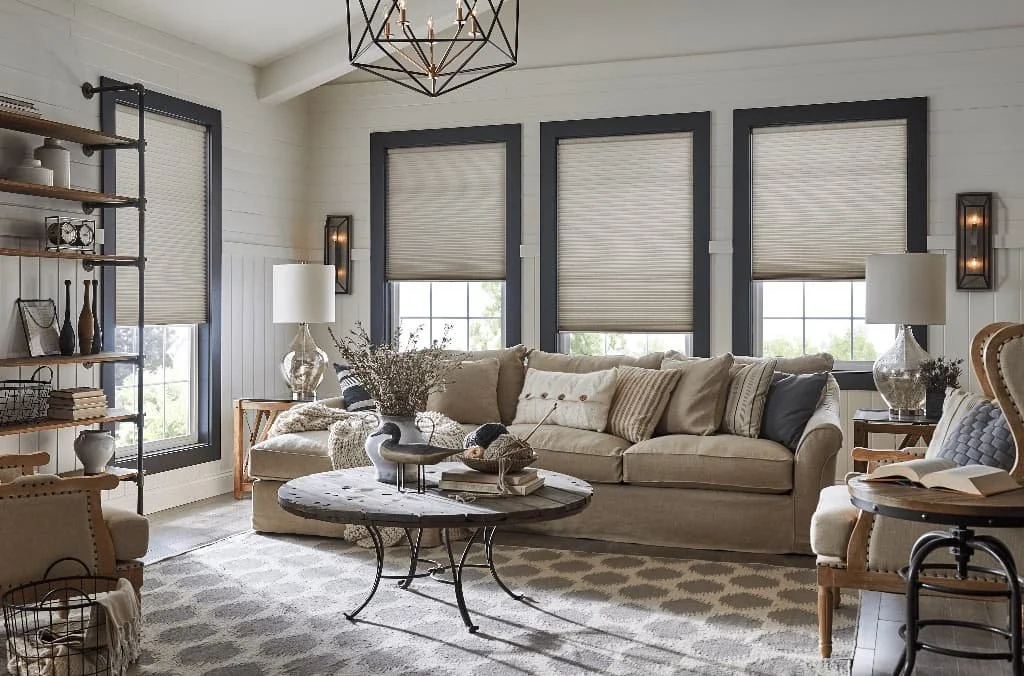
Six brands cover almost every motorized shade project we work on in Birmingham, ranging from entry-level retrofits to whole-house premium installations.
Lutron. Our default for most projects, especially projects already running Lutron lighting. Lutron has been making lighting controls since 1961 and motorized shades since 2002. Their shading lineup includes Lutron Serena (entry-level battery-powered shades for retrofits, $400-800 per shade installed), Lutron Triathlon (mid-tier, available in battery or hardwired, integrates with RA2 Select and Caseta), and Lutron Sivoia QS (premium hardwired shades that integrate with RadioRA 3 and HomeWorks systems, $1,200-3,500 per shade installed depending on size and fabric).
The reason we lead with Lutron is integration. Households running Lutron Caseta, RadioRA 3, or HomeWorks lighting can add Lutron shades to the same system with no additional hub, no additional app, and no integration work. The same wall keypad that controls the lights also controls the shades. The same scenes that adjust the lights also drop the shades. For Birmingham customers building or renovating with Lutron lighting (covered on the smart lighting installation in Birmingham page), Lutron Sivoia QS shades are the natural choice. The fabric selection is excellent (over 100 fabric options across the Sivoia QS line), the motors are silent, and the build quality outlasts virtually every competitor.
Hunter Douglas. The fabric and style leader. Hunter Douglas has been making window treatments since 1946 and offers a dramatically broader range of shade types than Lutron — Designer Roller (the classic roller shade), Duette (cellular/honeycomb shades for energy efficiency), Pirouette (signature horizontal soft fabric vanes), Silhouette (vanes between sheer fabric layers), Vignette (Roman-style folded shades), and Provenance (woven wood). The PowerView motorization line covers all of these styles, runs on battery or hardwired, and integrates with Apple Home, Google Home, and Amazon Alexa.
Hunter Douglas is the right pick for households where the visual style of the shade matters more than the smart home integration depth — the signature Duette honeycomb shades, the Silhouette horizontal vanes, the Pirouette soft folds, the Roman-style Vignette. Lutron's fabric selection covers most use cases, but Hunter Douglas covers more shade types. For households that want the architectural look of a specific Hunter Douglas style, that's where they should be.
Somfy. The motor brand many other shade brands use. Somfy makes the motors that go inside QMotion shades, many high-end custom drapery installations, certain Hunter Douglas products, and a wide range of European shade brands sold in the US. Somfy's RTS protocol (Radio Technology Somfy) and RS-485 protocol are the most universal motor systems in the industry — they work with hundreds of different shade brands and integrate with Apple Home, Google Home, Amazon Alexa, and most major smart home platforms.
We install Somfy-powered shades from custom drapery makers (the right call for households that want fabric and design from a specific local or regional drapery house but with motorized operation) and Somfy-direct products. Somfy is the right pick for projects that need maximum flexibility in shade brand selection or for replacing motors in older Somfy installations.
QMotion. The premium battery-powered option. QMotion's shades use a unique manual override system — the shade can be pulled up or down by hand without damaging the motor, which is rare among motorized shades. QMotion shades are also genuinely silent, which matters in master bedrooms where the household doesn't want shade noise waking them up during sun-tracking schedules. Battery life is 12-24 months on quality alkaline batteries; rechargeable lithium options last longer. QMotion is the right pick for households that want premium battery-powered shades without running new wiring during a retrofit.
Clara Smart Shades. The integrator-focused smart shade brand. Clara has been building motorized shades out of Montreal since 2009 specifically for the home automation integrator channel — they don't sell direct to consumers, only through dealers like us. Their lineup covers open-roll and enclosed cassette roller shades with fabric openness ranging from full blackout to 10% sheer, available in four hardware finishes (black, white, gray anodized, and vanilla) so the shade hardware actually matches the room. Battery, hardwired, and PoE motor options are all on the table.
What sets Clara apart is integration breadth at a reasonable price. Clara shades work natively with Control4, Crestron, ELAN, Savant, RTI, URC, Josh, Alarm.com, Apple Home, Google Home, and Amazon Alexa — no extra hub, no extra licensing, no integration work. Clara is the right pick for Birmingham households that want serious smart home integration without Lutron Sivoia QS pricing. The build quality and fabric depth don't quite reach Lutron's top tier, but they don't need to. Clara competes in the $600-1,400 per shade installed range and delivers a clean, well-integrated product at that price point. For larger Control4 or Savant projects where a full Lutron shade package would push past $30,000, Clara often cuts that in half while keeping the integration depth intact.
A note about Crestron Shading. Premium dealer-only Crestron shades are the top tier of the motorized shade market — beautiful product, excellent integration with Crestron control systems, premium pricing. Iron City A/V doesn't currently install Crestron Shading directly. For projects that genuinely need Crestron Shading at the system level, we recommend bringing in a Crestron-certified integrator for the shading work. Most Birmingham residential projects don't need this level — Lutron Sivoia QS competes directly, and Clara Smart Shades handles most Crestron-integrated projects at a fraction of the cost.
Battery vs Hardwired — The Technical Decision That Matters Most
This is the single most important decision in any motorized shade project, and most homeowners make it before they understand the trade-offs. Both options work; they're appropriate for different projects.
Battery-powered shades run on lithium or alkaline batteries housed inside the shade's headrail. The motor runs from battery power, communicates wirelessly to the home's hub, and operates exactly like a hardwired shade once installed. The household never sees the batteries — they're hidden inside the shade.
The case for battery: dramatically easier to install in retrofits. No new wiring, no walls opened up, no electrician needed. Battery shades can go in any window in any home in a matter of hours per shade. Most retrofits we do in existing Birmingham homes use battery-powered shades for this reason alone.
The trade-off: batteries need replacement every 2-5 years depending on use, motor type, and battery quality. Heavy-use shades (great room shades that run sun-tracking schedules and lower 8-12 times per day) drain batteries faster than low-use shades (master bath shades that lower once at bedtime). The battery change is straightforward — the shade has a small access panel in the headrail — but it's a maintenance item to remember.
Best-fit applications for battery-powered shades: existing homes without renovation, single-room retrofits, project budgets where running new wiring isn't justified, second homes where the household isn't there often enough to wear out batteries quickly, rental properties where minimal infrastructure is preferred.
Hardwired shades run on dedicated low-voltage wire pulled from each shade location back to a power supply, typically located in a closet or mechanical room. The shades have no batteries — they're powered through the wire indefinitely.
The case for hardwired: never change batteries. Silent operation (battery motors hum slightly during operation; hardwired motors are virtually silent). Cleaner long-term maintenance — no battery monitoring, no shade access for battery changes. Better for high-use shades where battery drain becomes annoying.
The trade-off: significantly more expensive to install. New construction or major renovation is the right time — the wire pulls happen during framing. Retrofitting hardwired shades into a finished home means opening walls, fishing wire, and electrical work. The cost can double or triple compared to battery shades for the same project.
Best-fit applications for hardwired shades: new construction, major renovations where walls are already open, premium projects where long-term operation matters more than initial cost, very high-use shades (great room sun-tracking schedules running daily for 15+ years).
Our recommendation for most Birmingham projects: battery-powered shades for retrofits into existing homes, hardwired shades for new construction and major renovations where the wire can go in during framing. Most projects we do are mixed — battery in some windows where retrofitting wire is impractical, hardwired in others where running wire makes sense. The decision is project-by-project, not whole-house.
Shade Types and Fabric Options
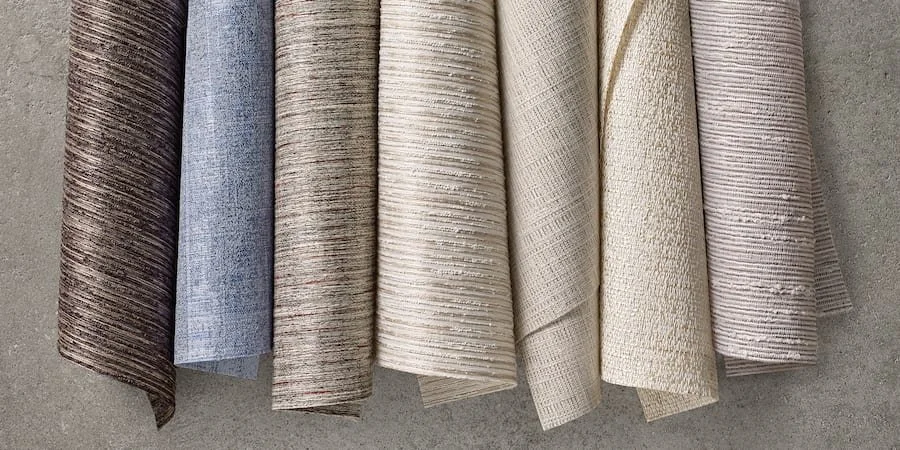
Motorized shades aren't a single product. Five primary shade types cover almost every Birmingham home, each with its own fabric options and use cases.
Roller shades. The classic motorized shade — a roll of fabric that drops from the headrail to cover the window. Available in solar (transparent fabric that blocks UV but preserves the view), light-filtering (semi-opaque fabric that diffuses light), and blackout (opaque fabric that blocks essentially all light). Roller shades are the most-installed style in our lineup because they cover almost every use case cleanly. The Lutron Sivoia QS Roller, Hunter Douglas Designer Roller, and similar products handle 80% of the projects we do.
Cellular (honeycomb) shades. Pleated fabric arranged in a honeycomb pattern that traps air for insulation. Better thermal performance than roller shades — cellular shades can reduce heat transfer through windows by 25-50% compared to bare glass, which matters in Birmingham's climate. Hunter Douglas Duette is the dominant brand. The trade-off versus rollers is style — cellular shades have a distinctly textured look, which works in some interior design styles and not others.
Roman shades. Soft fabric shades that fold up in horizontal pleats when raised. The most traditional shade style, fitting historic homes and traditional interiors. Hunter Douglas Vignette is the motorized Roman option. Roman shades work well in Mountain Brook and Forest Park historic homes where the architectural style benefits from softer fabric treatments.
Sheer/horizontal vane shades. Shades with vertical or horizontal fabric vanes between layers of sheer fabric. Hunter Douglas Silhouette (horizontal) and Pirouette (signature folded vanes) are the dominant products. These shades let the household adjust how much light enters by tilting the vanes — a different control concept than rollers, but very popular for great rooms and primary living spaces where light control matters as much as privacy.
Drapery automation. Motorizing existing or custom drapery instead of installing new shades. The drapery hangs from a motorized track that opens and closes the curtains automatically. This is the right approach for households that want the look of fabric drapery (especially in formal dining rooms, master bedrooms, and traditional living rooms) but with the convenience of motorization. Somfy is the most common motor brand for drapery automation. We work with Birmingham custom drapery makers on the fabric and tracks; we handle the motor and integration.
Outdoor shades. Heavy-duty motorized shades for screened porches, covered patios, and pergola structures. Sun control on outdoor entertaining spaces, mosquito blocking on screened areas, and weather protection for outdoor seating. Outdoor motorized shades use UV-resistant fabrics, sealed motors, and stainless mounting hardware. Less common than indoor shades but a meaningful service for households with significant outdoor living areas.
We help customers pick the right shade type during the design walk, with fabric samples brought to the home so the decision happens in the actual space rather than in a showroom.
How Motorized Shades Integrate With the Rest of the Smart Home
Motorized shades on their own are convenient. Motorized shades integrated with the rest of the smart home are part of the daily rhythm of how the house works.
When the household runs the Welcome Home scene, the shades respond alongside the lights and audio — front-facing shades raise to welcome the household home, west-facing shades drop if it's afternoon to manage solar gain. When the household runs Goodnight, every shade in the house drops to closed position. When the household runs Movie, the shades drop in the entertainment room and the lights dim. When sun-tracking schedules run, shades adjust throughout the day based on actual sun position relative to the home's orientation.
These integrated scenes are what we program every day. For the lighting that runs alongside shade scenes, see the smart lighting installation in Birmingham page — Lutron makes both products and they integrate as one system. For the smart locks that close along with the shades during Goodnight, see the smart lock installation in Birmingham page. For the smart thermostats that respond to room conditions including solar gain, see the smart thermostat installation in Birmingham page.
For larger Lutron Sivoia QS or HomeWorks shading projects, the system processor that runs the shades typically lives in the network rack alongside other smart home infrastructure. See the whole home network installation in Birmingham page for the broader rack and network design we use on premium projects.
For the parent overview of how everything ties together, see the smart home automation in Birmingham page.
Motorized Shades for Different Birmingham Home Types
Different Birmingham homes call for different motorized shade approaches.
Mountain Brook and Crestline historic homes. Older homes built between 1920 and 1960 with original windows that often have unusual dimensions. Cable routing is difficult — plaster walls and limited attic access make hardwired shades challenging on retrofits. We typically install Lutron Serena or Hunter Douglas PowerView battery-powered shades in these homes, with custom-cut sizes to match the original window dimensions. Roman or Pirouette shade styles often work better than rollers because they match the architectural character of the home. The historic-home installation process can take longer because of the custom sizing and careful measurement work, but the result preserves the home's character while adding modern convenience.
Greystone, Liberty Park, and new construction in Inverness. Newer estates with the most flexibility. New builds let us run shade wiring during framing and pre-position the shade infrastructure during the trim phase. Lutron Sivoia QS hardwired shades fit these projects perfectly — silent operation, premium fabric selection, full integration with the home's Lutron lighting. A typical 6,500-square-foot Greystone build with whole-house motorized shades runs 25-50 windows, with all hardwired shades feeding back to a single Lutron processor in the network rack.
Homewood, Vestavia, and Hoover family homes. Mid-range homes with active families. Most installs are 6-12 windows in primary rooms — great room (the room that needs shading most), master bedroom, kitchen breakfast area, and home office. Lutron Serena or Hunter Douglas PowerView battery-powered shades with smart lighting integration covers this market well. Project costs typically run $4,500-12,000 depending on shade count and fabric choice.
Forest Park and Avondale bungalows. Smaller older homes with character constraints. Original wood windows often need careful measurement — small variations from window to window mean every shade needs custom sizing. We approach these projects with patience and proper measurement protocol. Battery-powered shades are usually the right answer because retrofitting hardwired shades into plaster walls is dramatically more disruptive than the install warrants.
Lake Martin, Smith Lake, and Gulf Coast second homes. Lake and beach houses with substantial glass facing the water. The morning glare off the water is intense at lake homes; afternoon glare is intense at west-facing beach houses. Motorized shades at second homes often run sun-tracking schedules so they're working even when the household isn't there to operate them manually. We typically install Hunter Douglas PowerView or Lutron Triathlon for these projects, with integration into Sonos audio and smart locks for the broader smart home story at the lake or beach property.
Estates with substantial west-facing glass. Some Birmingham estates have entire walls of west-facing windows — great rooms with 30-foot ceilings and floor-to-ceiling glass facing the afternoon sun. Without motorized shades, these spaces are unusable from 2 p.m. until sunset for half the year. Lutron Sivoia QS at the premium tier handles these projects well, with shades sized for the 8-15 foot tall windows that estate construction often features. Project costs scale with the windows; serious estate projects can run $50,000-150,000+ for whole-house premium motorized shades.
What to Expect During Installation
A typical 6-shade motorized shade installation runs about a day for an existing home — a few hours for measurement and fabric confirmation (often done at a separate visit before the install), a day for shade installation and programming, and a final hour for testing and household training. Larger 15-30 shade whole-house installs typically run 2-4 days. New construction installs run alongside the rest of the build schedule, with rough-in (for hardwired projects) during framing and trim during the finish phase.
We start with the design walk. We measure every window, photograph the framing, identify mounting type (inside-mount vs outside-mount), and discuss fabric options. For projects with custom fabric selection, we typically schedule a separate fabric consultation where we bring samples to the home and place them against the actual walls in actual light. The fabric decision often takes longer than the rest of the project planning combined.
After the customer confirms shade and fabric selection, we order shades from the manufacturer. Lead times vary — Lutron and Hunter Douglas typically run 4-8 weeks for custom shades; standard sizes can be faster; specialty fabrics or unusual sizes can run 8-12 weeks. We coordinate the order timing with the customer's schedule.
When shades arrive, we install them. Battery shades go in cleanly — mount the brackets into framing, install the shade, pair to the system. Hardwired shades require more setup — the wire pull happens before the install (or during framing for new construction), and the shade installation itself is similar to battery shades after that. We pair every shade to the home's Lutron, Hunter Douglas, or other smart home system, name each shade and zone (Great Room West, Master Bedroom, Kitchen Breakfast Area), and set up scenes based on the household's routines.
Programming follows. We program the household's scenes — Welcome Home, Goodnight, Movie, Pool Day, Away — to include shade behavior alongside lights, locks, thermostats, and audio. We set up sun-tracking schedules for west-facing rooms, morning schedules for east-facing rooms, and any custom schedules the household wants. We test every scene and every schedule before we leave.
We hand off with a 30-minute walkthrough — how to use the app, how to use any wall keypads we've installed, how scenes work, how to make adjustments, and what to expect over the long term. The household gets the documentation, the warranty information, and the contact for service.
Frequently Asked Questions About Motorized Shades
How long do batteries last?
Realistic battery life on quality motorized shades is 2-5 years depending on shade size, motor type, and use frequency. Heavy-use shades (great room shades on sun-tracking schedules running 8-12 cycles per day) drain faster than low-use shades (bathroom shades that lower once at bedtime). Quality alkaline batteries last longer than budget alternatives; rechargeable lithium options last longest. Battery changes are straightforward — most shade headrails have an access panel — but it's a maintenance item to plan for.
Can I motorize my existing manual shades?
Sometimes. Some manual shade brands offer aftermarket motorization kits that retrofit into existing shades. The most common path is replacing existing shades with new motorized versions, which produces a cleaner result than retrofitting. We assess the customer's existing shades during the design walk and recommend the right path.
Will the motors be loud?
Quality motorized shade motors are quiet but not silent. Lutron Sivoia QS hardwired motors are virtually silent — barely audible from 5 feet away. Battery-powered motors (Lutron Serena, Hunter Douglas PowerView, QMotion) hum slightly during operation, comparable to a quiet refrigerator. Most households don't notice the noise after a few weeks — but in master bedrooms with sun-tracking schedules running at sunrise, the noise can occasionally wake light sleepers. We discuss noise expectations during the design walk and recommend hardwired or lower-noise motors for households that are sensitive to it.
How much does motorized shade installation cost in Birmingham?
A small project with 4-6 battery-powered Lutron Serena or Hunter Douglas PowerView shades, smart home integration, and basic scene programming typically runs $3,500 to $7,500 installed. A mid-range whole-home install with 12-20 shades, mixed battery and hardwired, premium fabric, and full smart home integration typically runs $12,000 to $35,000. Premium estate projects with 30-50+ Lutron Sivoia QS hardwired shades, custom fabric throughout, and full integration with Lutron lighting and the rest of the smart home can run $60,000 to $200,000+. We give a fixed quote after the design walk and fabric selection.
Can I add shades to my existing Lutron Caseta or RadioRA system?
Yes. Lutron Serena (battery) integrates with Caseta and Smart Bridge Pro. Lutron Triathlon (battery or hardwired) integrates with RA2 Select and Caseta. Lutron Sivoia QS (hardwired) integrates with RadioRA 3 and HomeWorks. For households already running Lutron lighting, adding Lutron shades is the cleanest possible integration — same app, same wall keypads, same scenes. The shades appear alongside the lights in the household's existing Lutron system.
Do motorized shades work without internet?
Yes. Lutron, Hunter Douglas, and most quality brands process scenes and schedules locally — the system processor inside the home runs the schedules and responds to wall keypads even when the internet is out. What stops working during an internet outage is voice control through Alexa or Google Home and remote app access from outside the house. As soon as internet returns, full functionality resumes automatically.
Will the shades work with Apple Home, Google Home, or Alexa?
Yes for all three. Lutron, Hunter Douglas PowerView, QMotion, and Somfy all support Apple Home, Google Home, and Amazon Alexa integration. The household can control shades by voice ("Hey Siri, close the great room shades"), through smart home scenes that include shades alongside other devices, and from any of these platforms' apps in addition to the shade brand's own app.
How long do quality motorized shades last?
Lutron, Hunter Douglas, and similar quality shades regularly last 15-25+ years. The motors, mechanisms, and fabric all hold up well over time. We still service Lutron Sivoia QS shades installed in Birmingham homes in the early 2000s. The components most likely to need attention over time are battery replacement (every 2-5 years on battery shades) and occasional motor service (typically once or twice over a 20-year service life).
What about warranty?
Quality brand warranties on motorized shades are excellent — Lutron offers 8-year motor warranty and 5-year electronics warranty on Sivoia QS, Hunter Douglas offers limited lifetime warranty on most products, Somfy offers 5-year motor warranty. We handle warranty service for products we install — the customer doesn't have to deal with the manufacturer directly when something needs warranty attention.
Can the shades be controlled by individual room?
Yes, individual shade or by groups. Each shade can be controlled independently, and groups of shades can be programmed to operate together. A typical setup has zone groups (Great Room West, Master Bedroom, Kitchen, etc.) plus the ability to control any individual shade independently from the app or wall keypads.
Working With a Local Blinds Shop and Home Automation Company in Birmingham
Motorized shades are a long-term investment in how the household lives in the home and how the home protects itself from Birmingham's climate. As a home automation company, audio visual consultant, and your local Birmingham blinds shop, Iron City A/V designs motorized shade systems that fit how the household uses each room — daily privacy, glare control, UV protection, automated scenes — and we use brands that hold up across decades of Alabama summers. Every shade we install is part of the larger picture.
Iron City A/V 1 Perimeter Park S Suite 100 N, Birmingham, AL 35243 (205) 577-3124
Same team on your project from start to finish. No subcontracted labor, no call center routing, no surprises.